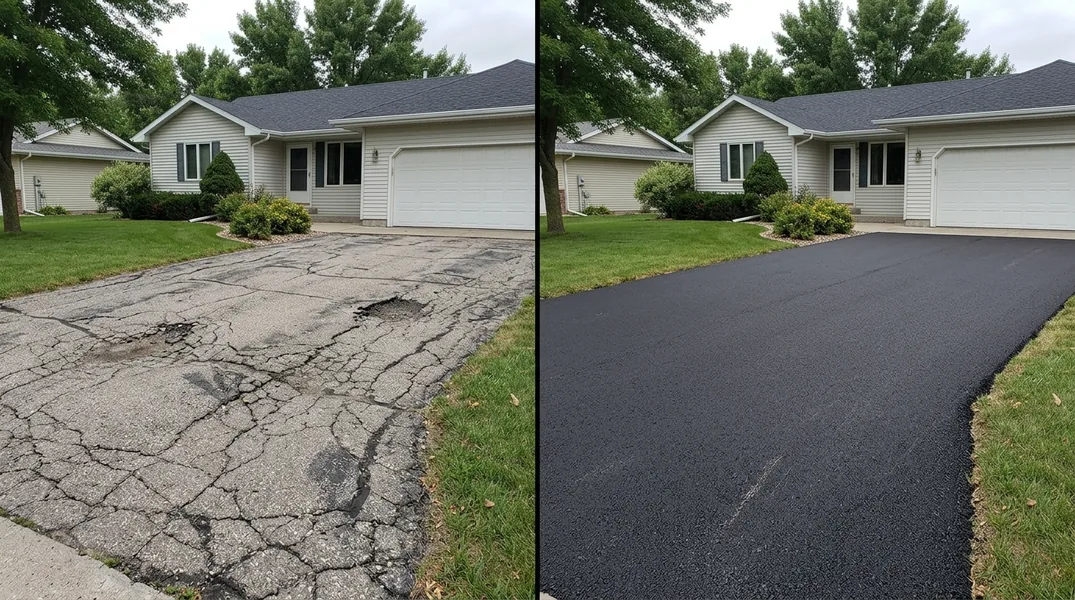
Signs Your Driveway Needs More Than a Quick Fix
Your driveway is one of the hardest-working surfaces on your property. Every day it faces the weight of vehicles, the freeze-thaw cycles common in Rapid City, and the relentless South Dakota sun. Over time, even the best-installed asphalt shows wear. The question is: does it need Driveway Repair, or is replacement the smarter investment?
The first step is understanding what you're looking at. Small cracks, minor surface wear, and light fading are normal signs of aging asphalt. These can often be addressed with sealcoating or targeted repairs. However, if you're seeing large potholes, extensive cracking patterns, or sections where the asphalt is crumbling or separating from the base, you may be looking at structural failure. When damage goes beyond the top layer and affects the foundation, patching becomes temporary at best. This is where Pothole Repair & Asphalt Patching can extend your driveway's life, but only if the underlying base is still sound.
How Long for Asphalt to Cure: What You Need to Know
One of the most common questions homeowners ask after investing in Asphalt Driveway Paving & Installation is how long the curing process takes. The answer matters because it affects how you use your driveway in those critical first weeks. Fresh asphalt doesn't reach full strength immediately. While it may feel firm to walk on within 24 to 48 hours, the material continues to harden and cure for a much longer period.
In ideal conditions, asphalt typically reaches about 85 to 90 percent of its full strength within the first two weeks. However, full structural curing can take 30 to 60 days, depending on temperature, humidity, and the specific asphalt mix used. During warmer months in Rapid Valley, curing happens faster. Cooler spring and fall temperatures slow the process. This is why timing your paving project matters. The goal is to complete work when temperatures will remain consistently above 50 degrees Fahrenheit for at least a week afterward.
How Long Before You Can Drive on New Asphalt?
The short answer is that you should avoid driving on new asphalt for at least 48 to 72 hours after installation. During this window, the surface is still soft and vulnerable to damage from vehicle weight, especially in hot weather. Driving on it too soon can create ruts, push the asphalt around, and cause uneven settling that will plague your driveway for years.
After 72 hours, light driving is generally safe, but you should continue to avoid parking in the same spot repeatedly or making sharp turns that place concentrated pressure on the surface. Heavy vehicles, such as loaded trucks or RVs, should wait at least two weeks before using the driveway. Even then, the asphalt is still gaining strength daily. Waiting the full 30 days before exposing your driveway to heavy use gives you the best chance of a long-lasting surface. If you're planning a paving project, coordinate with Rapid City Asphalt Paving to understand the specific timeline for your installation, as weather conditions can affect these estimates.
New Asphalt Driveway Care: Protecting Your Investment
Once your driveway is installed and cured, the real work of maintaining it begins. New asphalt driveway care is not complicated, but it is essential. The most important step is sealcoating, which should be done after the initial curing period (typically 30 to 90 days after installation) and then repeated every two to three years. Sealcoating protects the asphalt from UV rays, water penetration, and chemical damage from oil and salt.
Beyond sealcoating, keep your driveway clean by sweeping away debris and washing away salt and dirt, especially during winter months. Address small cracks immediately before they become large ones. Avoid letting water pool on the surface, as standing water accelerates deterioration. Don't park heavy equipment or allow large trucks to sit idle on your driveway. These simple habits can extend your asphalt's lifespan by years and help you avoid costly repairs down the road.
How Often to Seal Driveway: A Schedule That Works
The question of how often to seal driveway surfaces is one we hear regularly from homeowners in Colonial Pine Hills and throughout the region. The general recommendation is every two to three years for most climates. However, South Dakota's harsh winters and intense summers can speed up asphalt degradation, so many homeowners in our area benefit from sealing every two years or even annually in high-traffic areas.
Several factors influence your ideal sealcoating schedule. If your driveway receives heavy use, you'll need more frequent sealing. If it's shaded most of the day, UV damage is less of a concern, but moisture damage may be more prevalent. Climate also plays a role. The freeze-thaw cycles that occur in Box Elder and other areas near Rapid City create conditions where water seeps into small cracks, freezes, expands, and causes further damage. Regular sealcoating prevents this by keeping water out. If you're unsure about your driveway's specific needs, a professional inspection can help you develop a maintenance plan that maximizes your investment.
Repair Versus Replacement: Making the Right Call
The decision to repair or replace your driveway ultimately comes down to cost, condition, and how much longer you plan to stay in your home. As a general rule, if repairs will cost more than 50 percent of the cost of a full replacement, replacement is the smarter choice. Similarly, if your driveway is more than 20 years old and showing widespread damage, replacement often makes more sense than patching.
Asphalt Resurfacing & Overlay offers a middle ground for driveways that are structurally sound but cosmetically worn. This process involves laying a new layer of asphalt over the existing surface, which is less expensive than full replacement but more effective than patching. It's ideal if your base is solid but the top layer has deteriorated.
The best way to know what your driveway actually needs is to have a professional evaluate it. Rapid City Asphalt Paving can assess the damage, explain your options, and provide honest recommendations based on your specific situation. Call us at (605) 608-4922 or request a free estimate to get started. We'll help you understand whether repair, resurfacing, or replacement is the right investment for your property.
Looking for a professional asphalt paving contractor in Rapid City? Rapid City Asphalt Paving responds fast for all your asphalt paving needs.
Get a Free Quote